
Why luck plays a crucial role in casino success
The Nature of Luck in Gambling
Luck is often perceived as a mystical force that influences outcomes in games of chance, making it a central theme in the casino landscape. Unlike skill-based activities where strategy and expertise play significant roles, games of chance such as slots, roulette, and dice games are primarily determined by luck. This randomness is what draws many players to casinos, offering a sense of thrill and excitement as they place their bets, fully aware that their success hinges on the unpredictability of fortune. For those interested in finding a secure online casino with fast withdrawal options , the allure of hitting a jackpot or landing the perfect roll captivates players, making the element of luck an essential ingredient in the gambling experience.
The very structure of casino games is designed to provide an element of chance, often leading to exhilarating successes and devastating losses. For instance, players may experience a series of wins followed by a streak of losses, emphasizing luck’s unpredictable nature. This rollercoaster of outcomes not only keeps players engaged but also reinforces the belief that luck is a significant factor in achieving success within the casino environment. The anticipation of each spin or card draw creates an electric atmosphere, underscoring how luck can dramatically shift the trajectory of a player’s gaming session.
Furthermore, luck introduces a psychological element to gambling, as players often attribute their wins to fortune while blaming losses on unfavorable conditions. This perception can lead to players engaging in «superstitions,» such as choosing specific times to gamble or carrying lucky charms. While these practices may not influence the outcome of games, they highlight how deeply ingrained the concept of luck is in the overall gambling experience, contributing to the allure and mystique of casinos. The interplay between luck and personal belief shapes how players engage with games, ultimately enhancing the thrill and emotional investment in the experience.
Luck vs. Skill: The Balance in Casino Games
In the world of casinos, there exists a delicate balance between luck and skill. While many games, particularly slot machines, are predominantly luck-based, others, such as poker and blackjack, require a blend of skill and strategy. In these games, understanding the odds, employing sound betting strategies, and making informed decisions can significantly enhance a player’s success rate. However, even the most skilled player can be at the mercy of luck during any given session, illustrating that luck remains a critical factor in overall performance. This duality invites players to continuously refine their skills while acknowledging the unpredictable nature of luck.
For instance, in poker, a player’s ability to read opponents and manage their chips effectively are vital skills. Yet, despite these skills, the cards dealt can dramatically alter the game’s outcome. A professional player may be able to navigate through various strategies, yet if luck is not on their side, they may face challenges that could lead to losses, regardless of their expertise. Thus, while skill can improve a player’s odds, it does not eliminate the role of luck in determining success. This reality encourages a mindset where players accept that despite their best efforts, luck can dramatically influence results.
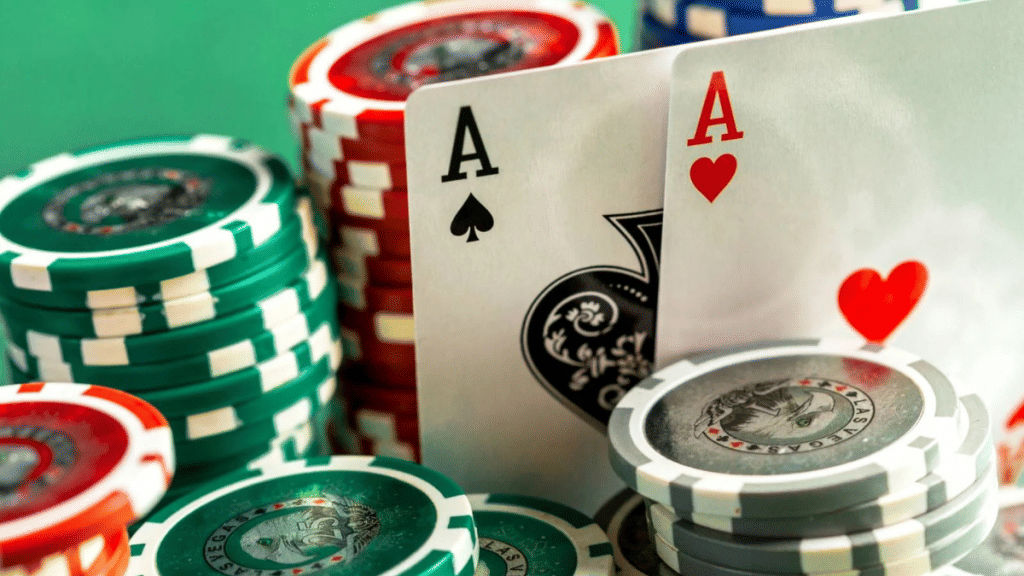
This dichotomy encourages players to engage in various games, knowing that even seasoned gamblers can experience both triumph and defeat based on luck. Skill may offer a competitive edge in some games, but without the favorable hand of fate, victories can be fleeting. This unpredictability not only enhances the gaming experience but also fosters a community where stories of both spectacular wins and crushing losses abound, reinforcing the idea that luck is an inseparable part of casino success. Players learn to celebrate their skills while respecting the role of chance, creating a balanced approach to their gaming adventures.
The Psychology Behind Luck in Gambling
The psychological aspects of gambling are deeply intertwined with the concept of luck, influencing how players perceive their chances and manage their emotions in the casino environment. Many gamblers experience a phenomenon known as the «gambler’s fallacy,» where they believe that past outcomes can influence future results. For example, a player may think that since a particular number hasn’t come up in a while, it’s “due” to win soon. This belief, although unfounded, demonstrates how luck can shape players’ perceptions and strategies, leading them to make decisions based on flawed logic rather than mathematical probabilities.
This psychological attachment to luck often leads to emotional highs and lows. Winning can evoke feelings of euphoria, while losing can result in frustration and disappointment. Gamblers may find themselves chasing losses in hopes of turning their luck around, which can lead to reckless gambling behavior. Awareness of these psychological traps is essential for responsible gambling, as players must recognize the distinction between luck-driven outcomes and skill-based decisions. By understanding their emotional responses, players can make more rational choices and enjoy the gaming experience without becoming overly fixated on luck.
Moreover, the excitement surrounding the possibility of winning a jackpot or hitting the perfect hand provides a unique thrill that is exclusive to the realm of chance. This excitement fuels the continued interest in casino games, encouraging players to return in hopes of experiencing that rush of good fortune again. Understanding the psychological dynamics of luck not only enriches the gambling experience but also highlights the need for players to approach the casino with a balanced mindset, appreciating the role of luck while recognizing their limits. This insight can help players maintain their enjoyment while navigating the highs and lows of gambling.
Luck and the Casino’s Edge
The casino industry operates on the concept of the house edge, which defines the statistical advantage that casinos hold over players. This built-in advantage ensures that, over time, the odds remain in favor of the house, highlighting the importance of luck for players trying to beat the system. While luck may provide the occasional win for players, the reality is that casinos are designed to profit from the long-term effects of their games, illustrating how luck interacts with the mathematical models of gambling. This fundamental understanding is crucial for players who wish to approach their gaming strategically, keeping the odds in mind.

For instance, in a game of roulette, the house edge ensures that the casino retains a percentage of all bets placed. While a player may enjoy moments of success due to favorable spins, the overall expected outcome will favor the house in the long run. This dynamic creates a delicate dance between luck and strategy, as players often find themselves at the mercy of chance, with the casino’s profitability relying on the statistical principles governing their games. Understanding this relationship can lead to more informed decisions about which games to play and how to manage one’s bankroll effectively.
Understanding the relationship between luck and the house edge empowers players to make informed choices. Engaging in games with lower house edges or applying effective bankroll management strategies can enhance the overall gambling experience. Nevertheless, even the most calculated decisions cannot eliminate the role of luck, making it an essential consideration for anyone hoping to achieve success in a casino environment. Acknowledging this relationship allows players to enjoy their time at the casino while keeping a realistic outlook on their chances of winning. This balance is key to fostering a healthy and enjoyable gambling experience.
Discovering More on Casino Success
As we have explored, luck undeniably plays a vital role in determining success within the casino environment. While skill and strategy can enhance a player’s experience, the thrill of chance remains an integral part of what attracts people to these gaming establishments. For newcomers and seasoned gamblers alike, understanding the interplay between luck and other factors can foster a more enjoyable and responsible gaming experience. Embracing this knowledge can lead to a deeper appreciation of the games and a more rewarding experience overall.
For those looking to delve deeper into the world of casinos and uncover strategies to enhance their play, there are abundant resources available. Players can explore various gaming strategies, psychological insights into gambling behavior, and reviews of popular games to inform their choices. Engaging with these resources can help gamblers create a balanced approach that respects the role of luck while maximizing their enjoyment and potential for success. Knowledge truly is power in the realm of gambling, allowing players to navigate the complexities of luck and skill.
In conclusion, the harmonious blend of luck, strategy, and psychological understanding is what makes gambling a captivating experience. Casinos offer a unique opportunity for players to test their fortune and skills, reminding us that while luck may be unpredictable, its influence is a fundamental aspect of what makes for successful casino adventures. Whether you are a casual player or a gambling enthusiast, embracing the role of luck can lead to memorable experiences in the exciting world of casinos. Ultimately, the journey through the casino landscape is as much about understanding one’s relationship with luck as it is about the games themselves.